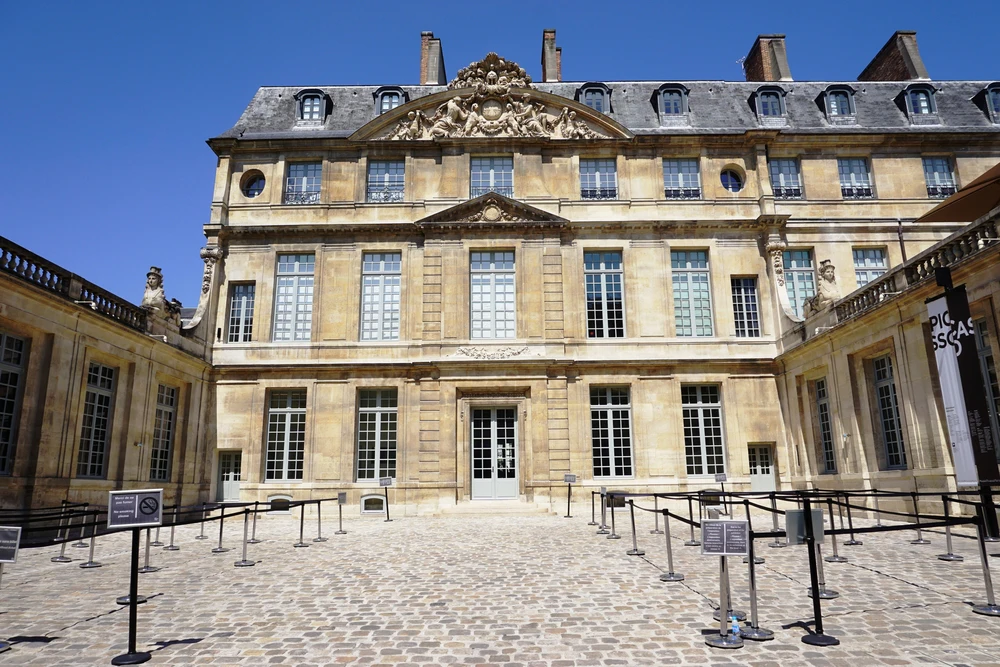
The Musée National Picasso-Paris houses the world's most extensive collection of works by Pablo Picasso within the stunning 17th-century Hôtel Salé. Visit to explore over 5,000 masterpieces, ranging from his iconic paintings and sculptures to his personal archives and private art collection.
Visit Info & Tips
General admission starts at €18.22, but booking a priority entrance ticket is highly recommended to bypass the long queues common in the Marais. For a deeper dive into the artist's evolution, look for tickets that include an audioguide or guided tour options. Smart travelers can save 13% by choosing the Picasso Museum + Seine River Cruise combo, or pair your visit with the Fondation Louis Vuitton for a full day of modern and contemporary art. Since the museum is centrally located, it is easy to combine your trip with a stroll to the nearby Place des Vosges or the Centre Pompidou.





Informazioni pratiche
About Musée Picasso Paris
The Musée National Picasso-Paris is uniquely situated in the Hôtel Salé, widely considered one of the most extravagant 'hôtels particuliers' or grand townhouses of the 17th century. Built between 1656 and 1659 for Pierre Aubert de Fontenay, a wealthy tax collector, the building's nickname 'Salé' (salted) refers to his role in collecting the 'gabelle' or salt tax. The mansion's Baroque architecture provides a dramatic, classical backdrop to the avant-garde works of the 20th century. The museum's existence is a direct result of a unique Japanese-style inheritance tax law in France. Following Pablo Picasso's death in 1973, his heirs donated an immense portion of his work to the French state in lieu of inheritance taxes. This 'dation' ensured that the collection remained intact, representing every phase of the artist's prolific career rather than being scattered across private auctions. Inside, the museography is designed to lead visitors through Picasso’s artistic metamorphosis. The collection spans his early Blue and Rose periods, the groundbreaking years of Cubism, his neoclassical turn in the 1920s, and the raw, expressive works created during the occupation of Paris. The displays also feature his sculptures, ceramics, and even the sketches that preceded his greatest canvases. Beyond his own work, the museum holds Picasso’s private collection of other masters. This includes significant pieces by Paul Cézanne, Henri Matisse, and Henri Rousseau, offering a rare glimpse into the influences and rivalries that shaped the modern art movement. After a comprehensive five-year renovation ending in 2014, the museum now offers double the exhibition space and a refined layout by Diego Giacometti.
What to See
Musée Picasso Paris
The Grand Staircase
Cubist Masterpieces
Picasso's Private Collection
Ceramics and Sculptures
The Attic Gallery
Diego Giacometti Furnishings
FAQ
Mostre
3
Virtual Reality: Metamorphoses de Guernica
Musée Picasso ParisThe content discusses cookie usage on a website and its impact on user experience. It outlines categories of cookies: necessary, functional, analytics, and advertisement cookies, providing examples and their purposes. Necessary cookies, such as localization and session management, are essential for site functionality. Functional cookies enhance user interactions, while analytics cookies collect data to improve website performance. Advertisement cookies tailor ads based on user behavior. The page also emphasizes user privacy, allowing individuals to manage their cookie preferences. Additionally, it highlights an upcoming exhibition—'The Metamorphoses of Guernica'—at the Musée national Picasso-Paris, detailing its significance and offering related ticket options.
8 aprile — 7 settembre 2026
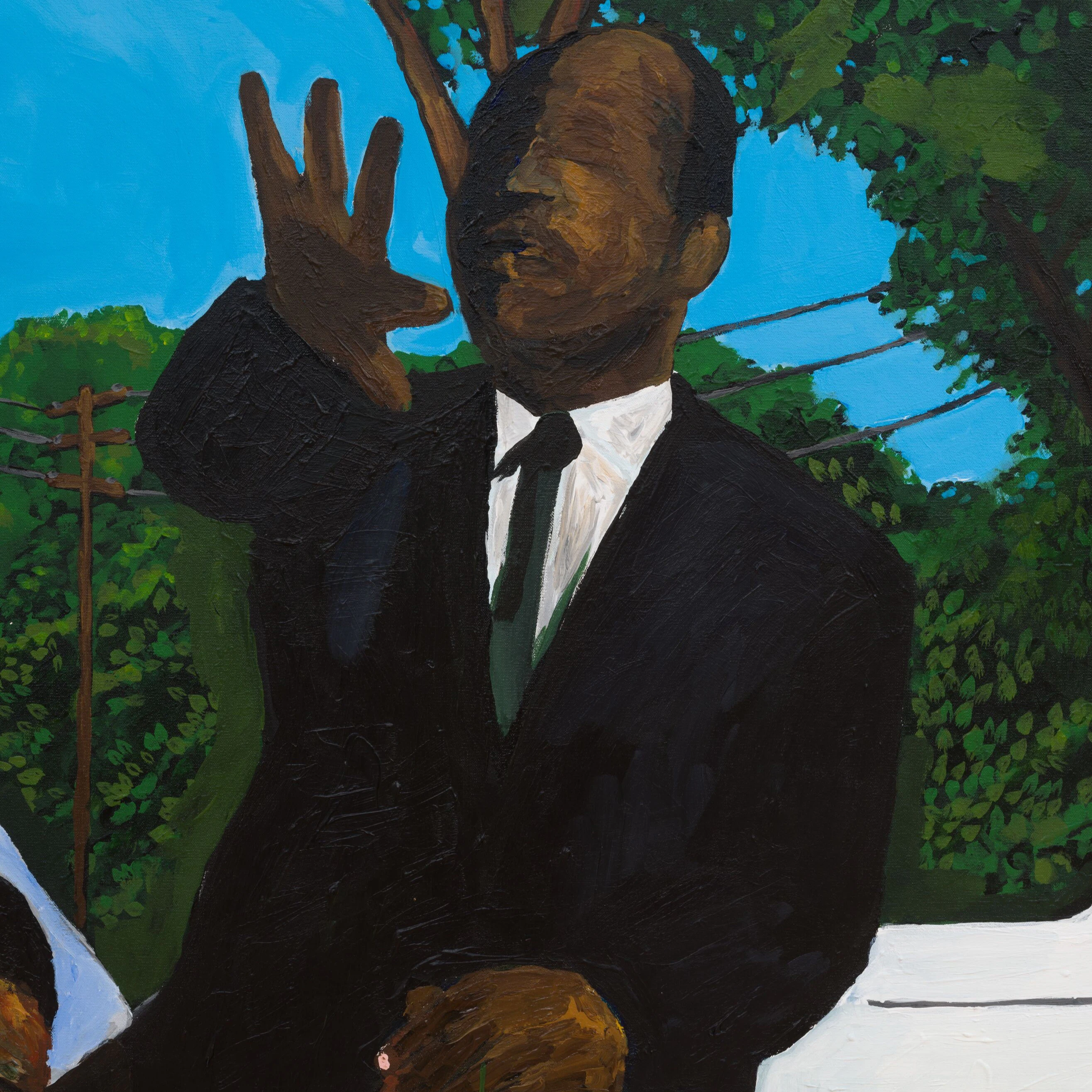
Henry Taylor
Musée Picasso ParisThe content discusses the personalized experience offered by a website using cookies, emphasizing user privacy and the option to manage cookie settings. It details types of cookies used, including necessary cookies for website functionality, functional cookies for user interaction features, analytics cookies for tracking user behavior, and advertisement cookies for targeted ads. Additionally, the Musée National Picasso-Paris is highlighted, showcasing its exhibition on Henry Taylor and key operational details, including location, opening hours, and ticket information.
8 aprile — 7 settembre 2026

Guillermo Kuitca, Chapelle
Musée Picasso ParisThe content focuses on cookie settings and usage on a website, emphasizing the importance of cookies in providing personalized user experiences. It outlines various categories of cookies, including necessary, functional, analytical, and advertisement cookies, detailing their purposes and durations. Additionally, the section highlights the option for users to manage their cookie preferences, with an invitation to learn more about privacy policies and effects of cookie blocking. The latter part includes information about the Musée National Picasso-Paris, showcasing its exhibitions and facilities, including visiting hours, location, and customer reviews praising the museum's collections and atmosphere.
25 novembre — 30 novembre 2026
Domande frequenti sulle mostre
Quali mostre sono in corso a Musée Picasso Paris?
3 mostre attualmente in programma a Musée Picasso Paris: Virtual Reality: Metamorphoses de Guernica; Henry Taylor; Guillermo Kuitca, Chapelle.
È necessario prenotare in anticipo?
Sì — le mostre temporanee a Musée Picasso Paris si esauriscono rapidamente, soprattutto nei weekend. Si consiglia di prenotare un biglietto con ingresso a orario online.
La Storia
The Musée National Picasso-Paris is as much about its architectural vessel as it is about the art within. The institution is housed in the Hôtel Salé, widely considered the finest grand house of the Marais district. Built between 1656 and 1659 by Pierre Aubert, a financier who grew wealthy through the salt tax (hence 'Salé' or 'salted'), the mansion represents the height of French Baroque classicism. Its grand staircase and intricate stone carvings provide a stark, sophisticated contrast to the revolutionary art it now contains. Following the death of Pablo Picasso in 1973, his heirs donated a massive portion of his personal collection to the French state in lieu of inheritance taxes. This 'dation' included not only his finished masterpieces but also his private archives, photographs, and his personal collection of works by contemporary rivals like Matisse and Cézanne. Unlike other museums that curate a specific movement, this site offers an intimate look at the evolution of Picasso's process across seven decades. Following an extensive renovation completed in 2014, the museum expanded its gallery space significantly, allowing for a more chronological and thematic exploration of the artist's life. Today, it serves as the cultural anchor of the Marais, bridging the gap between the neighborhood's royal history and its current status as a hub for contemporary galleries, high-end fashion, and artisan coffee culture.
Risparmia con un Paris Pass che include Musée Picasso Paris
Combina più attrazioni top, salta la coda e paga meno a biglietto.
- Accesso a più attrazioni
- Salta la coda
- Più conveniente dei biglietti singoli
- Cancellazione gratuita su molti pass
Prezzi e inclusioni verificati con i nostri partner Tiqets e Headout.
Potrebbe interessarti
Altre attrazioni vicino a Musée Picasso Paris


🎟️ Prenota biglietti per Musée Picasso Paris
PRENOTA ORA ↗PRENOTA ORA ↗