
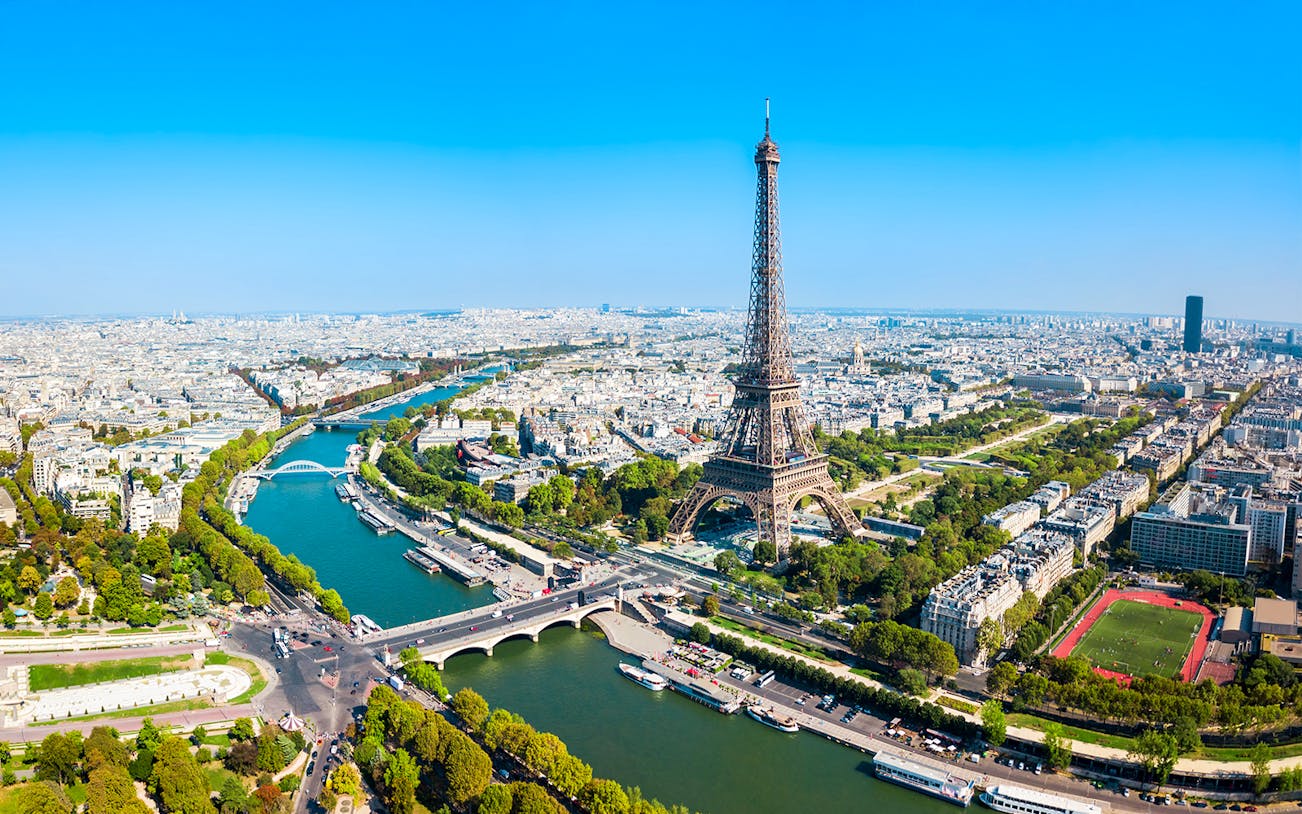
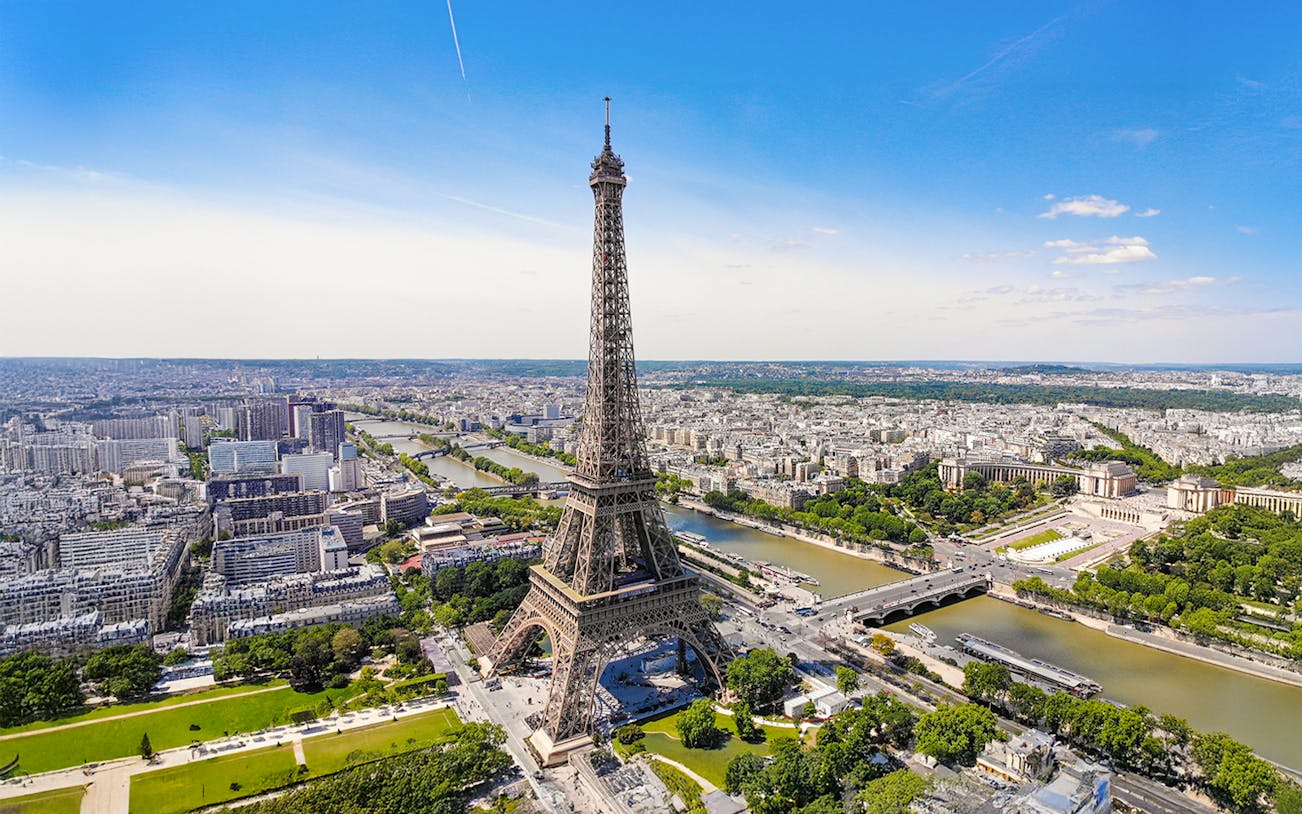
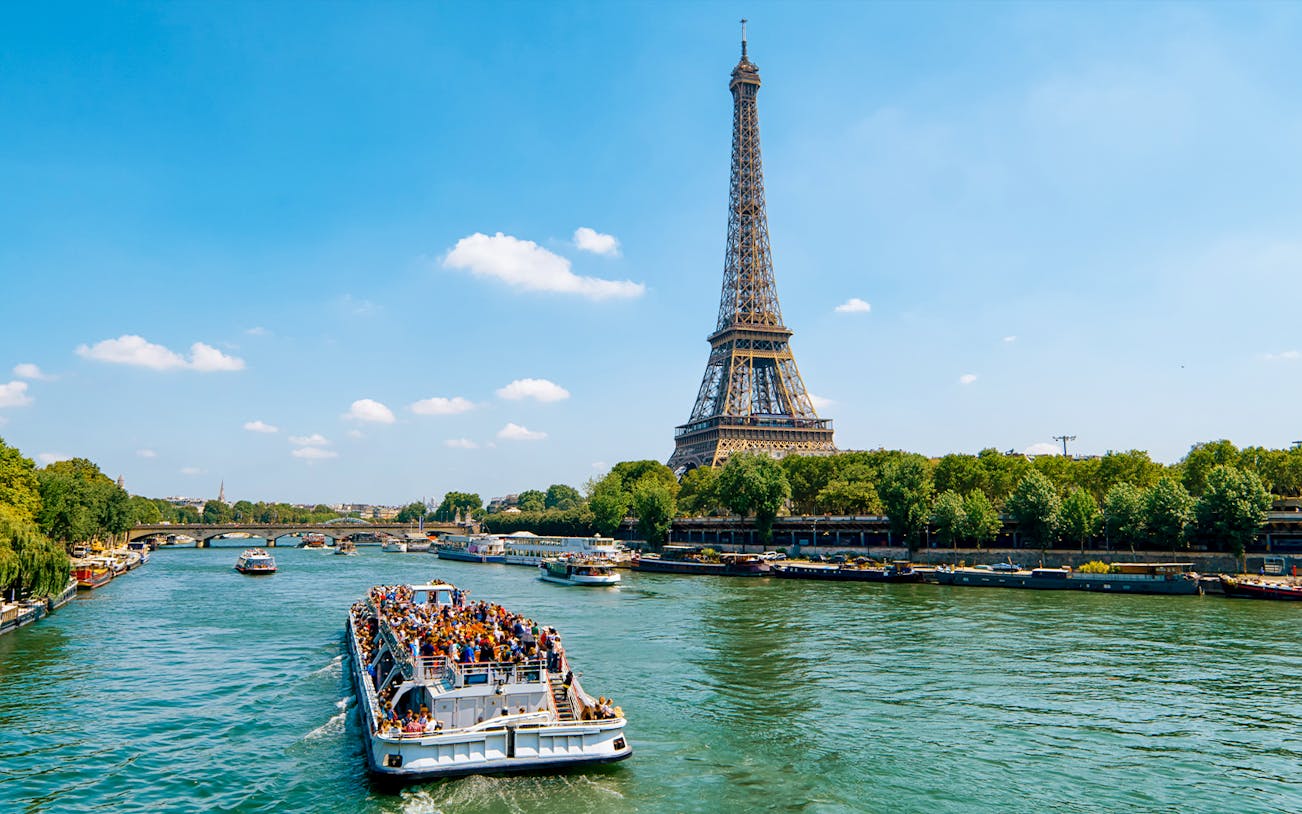
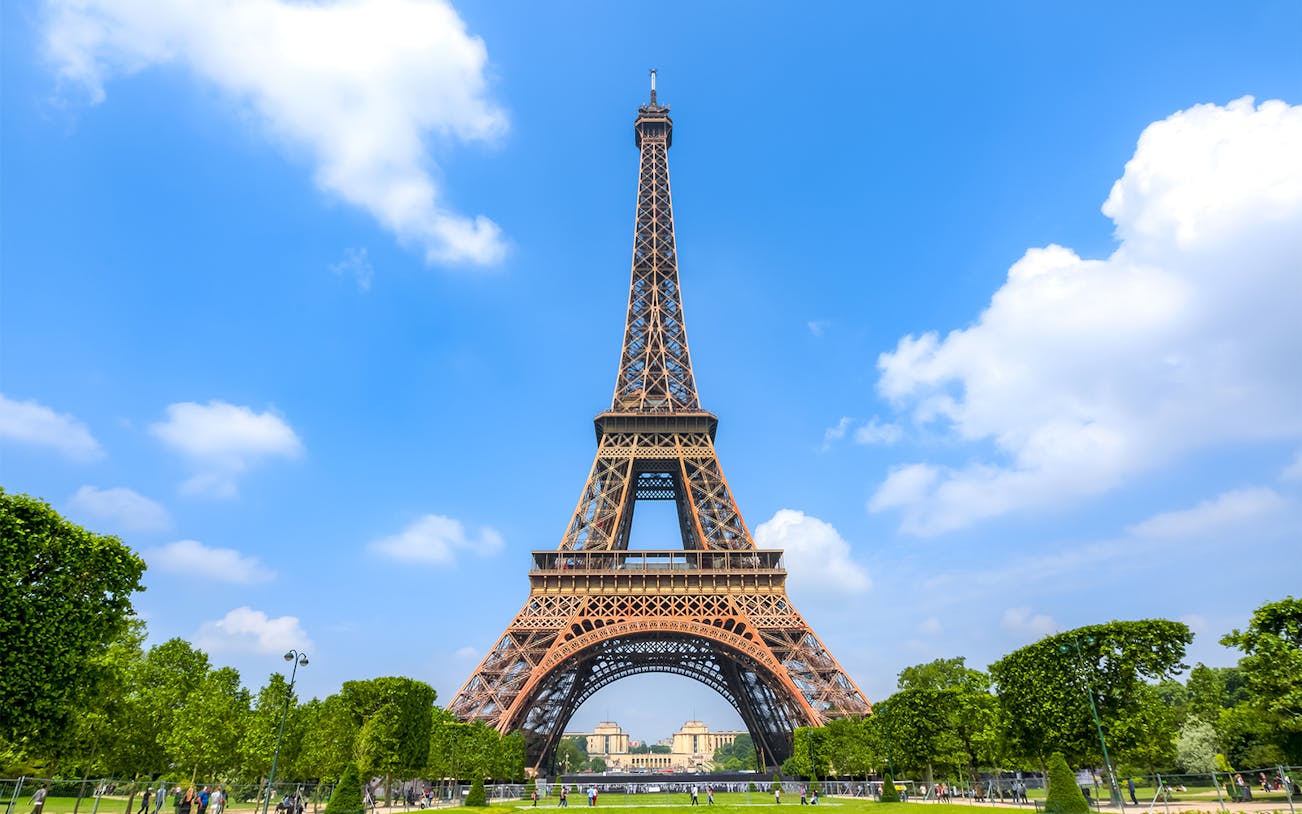
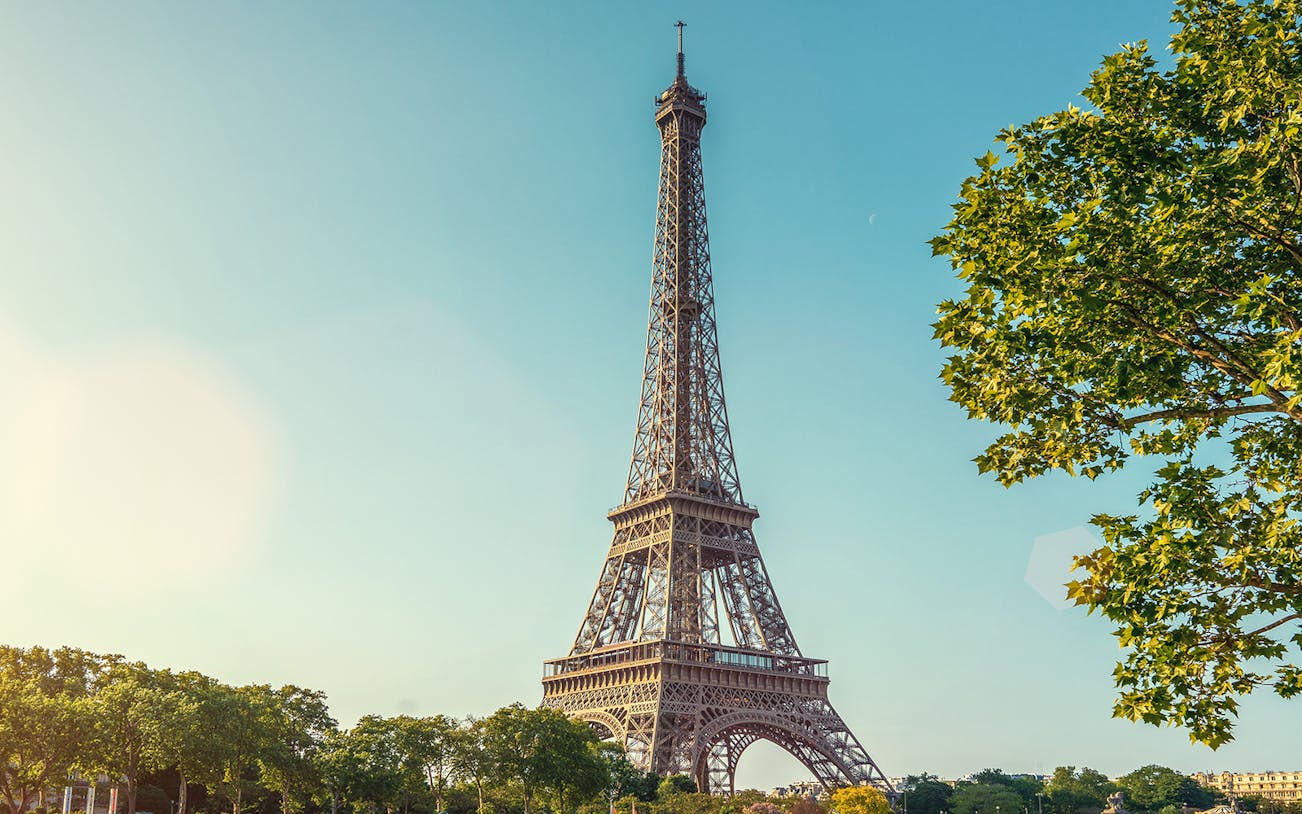
Visit the Eiffel Tower, an iconic landmark in Paris, France. Ascend to its various levels for panoramic views of the city.
Visit Info & Tips
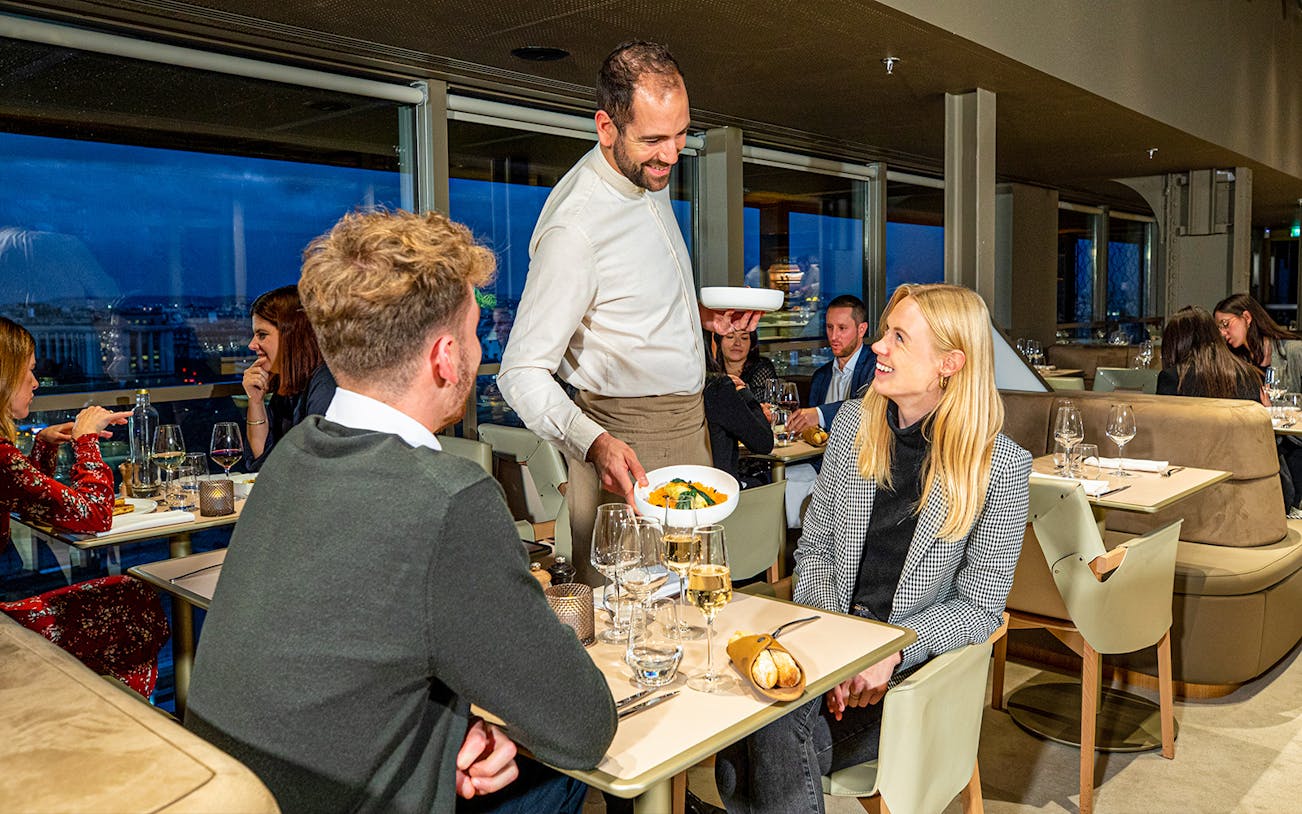
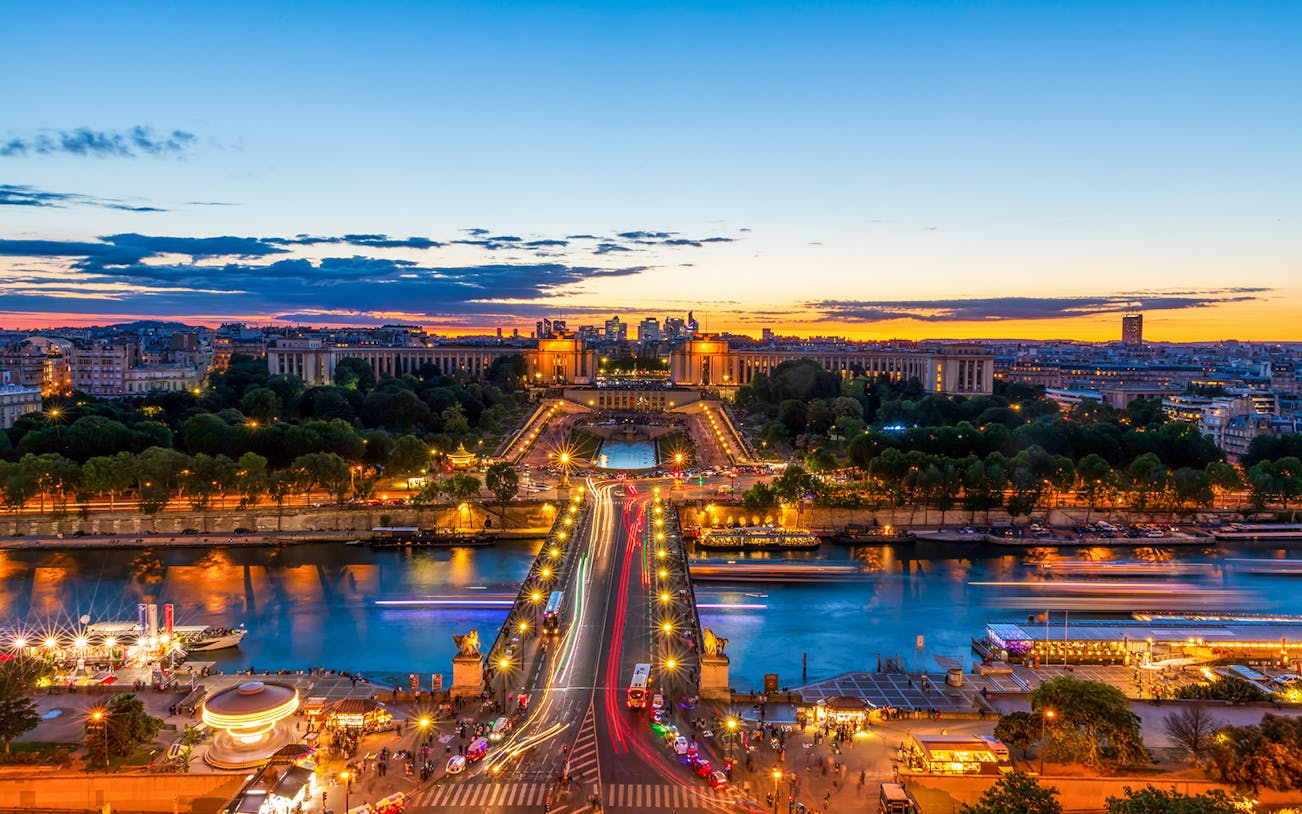
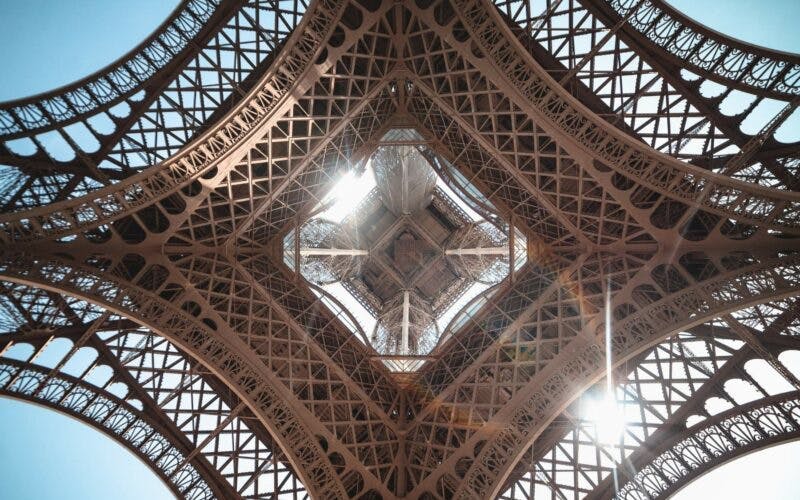
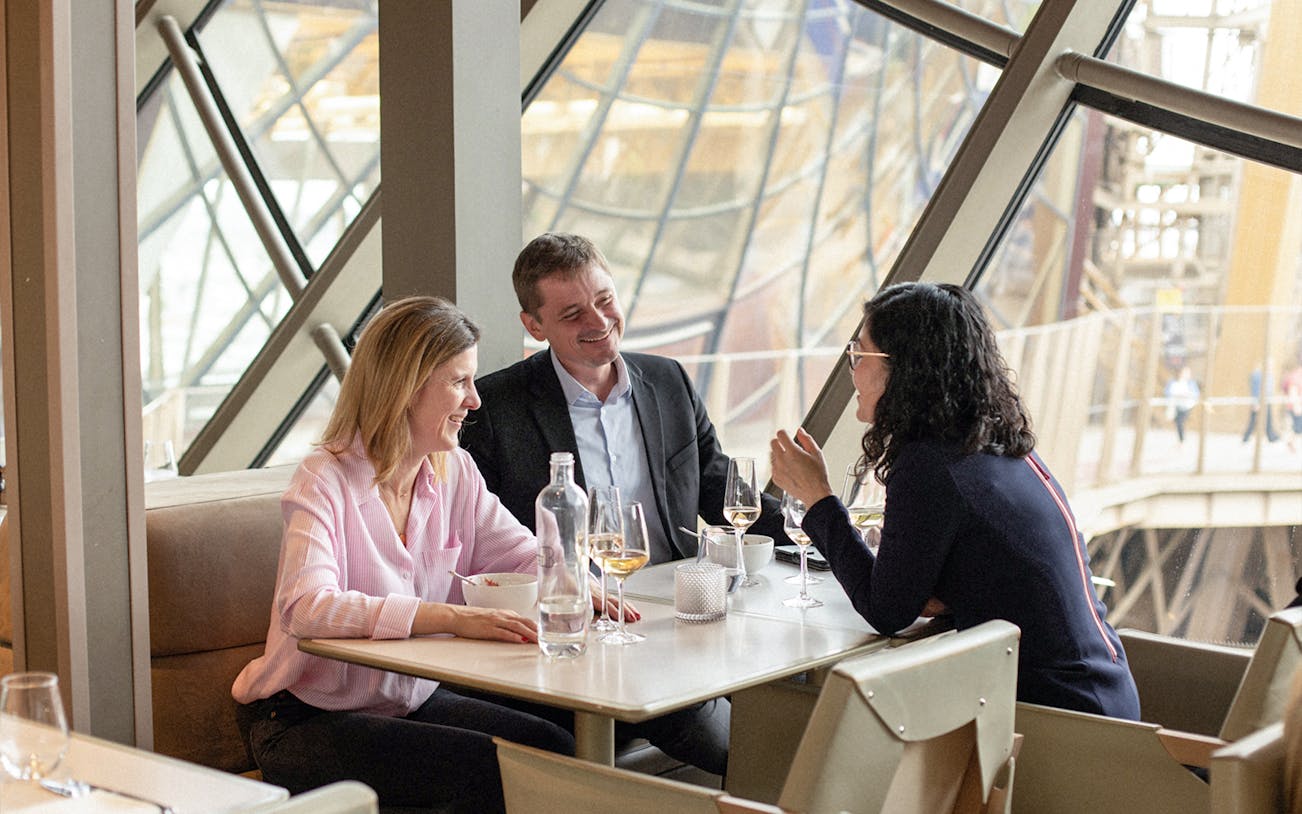
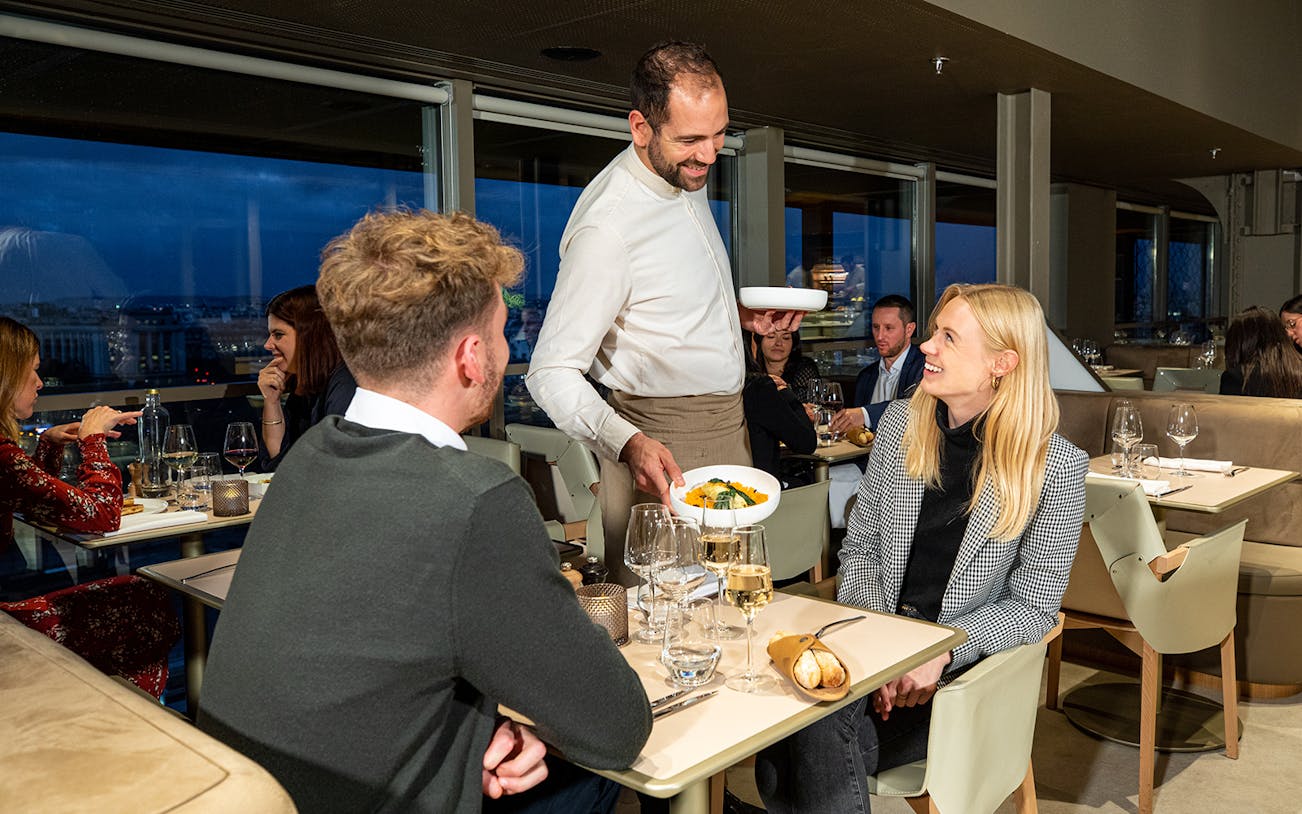
To secure your visit to the Eiffel Tower, your primary decision is between the Second Floor and the Summit, and whether to ascend via stairs or elevator. Elevator access to the Summit is the most sought-after option but frequently sells out weeks in advance; the Second Floor remains a robust alternative offering exceptional panoramic views and easier availability. Stair access is a distinct, physically demanding experience limited to the second level. If the tower is fully booked for your dates, we recommend checking the Headout inventory for guided tours or considering the Arc de Triomphe for an alternative skyline view. Tickets typically include access to the specified levels and the first-floor transparent walkway, though security checks are mandatory for all visitors and cannot be bypassed. The Iron Lady remains Paris’s ultimate icon, especially during the hourly light show. For an elevated experience, evening slots provide a dramatic transition from sunset to city lights, while Madame Brasserie and the Summit Champagne Bar offer separate dining opportunities that require specific reservations. Visiting is not just about the height, but about witnessing the intricate 18,000-part lattice structure and the unparalleled 360-degree view of the Seine and historical monuments.






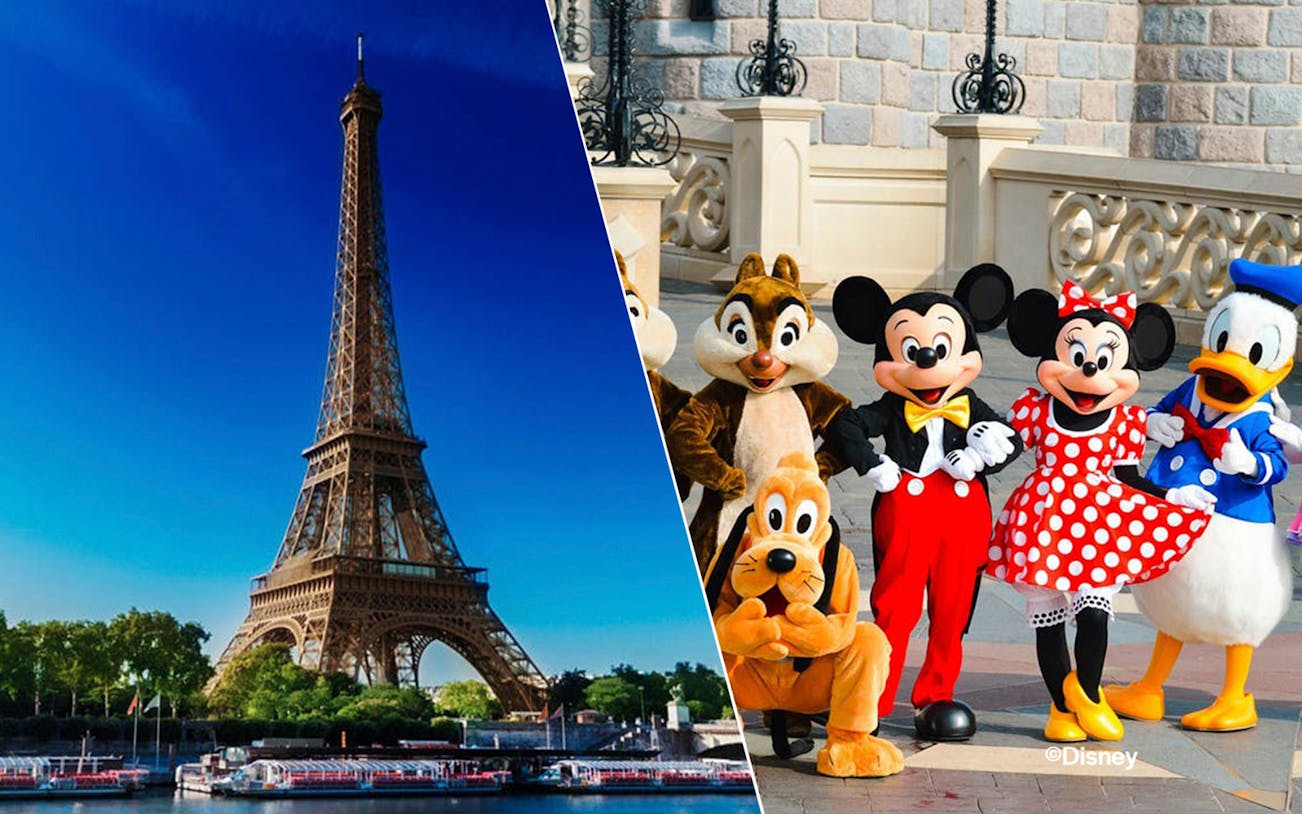
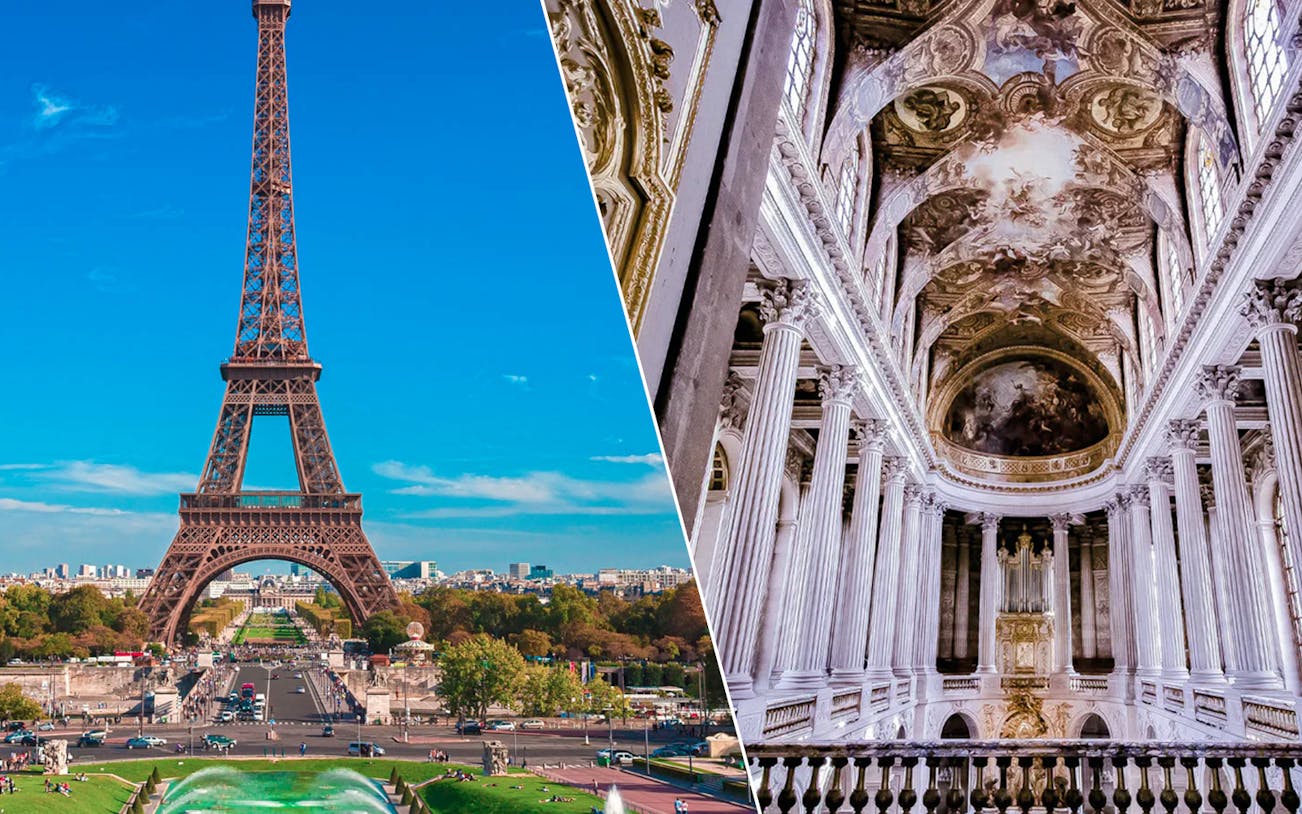
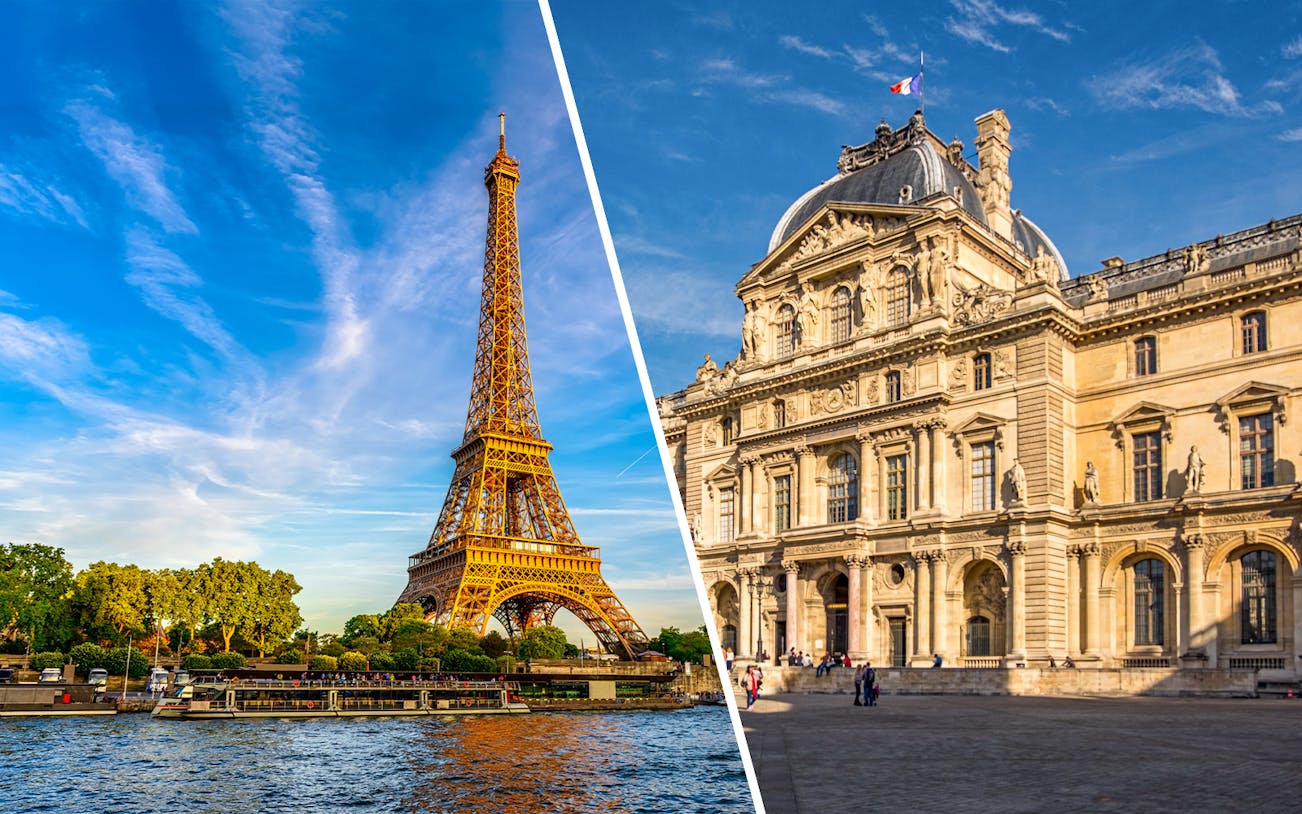
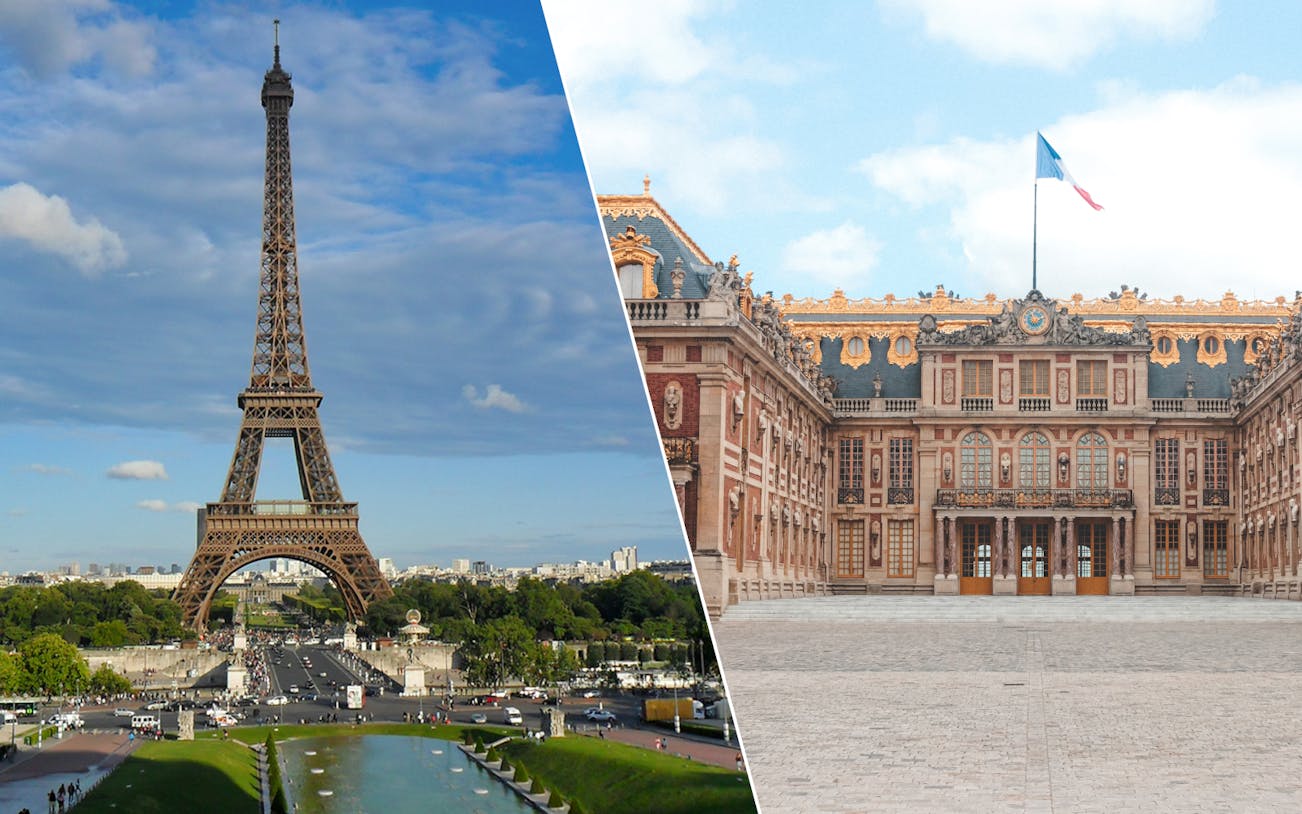




Compare & Save
-
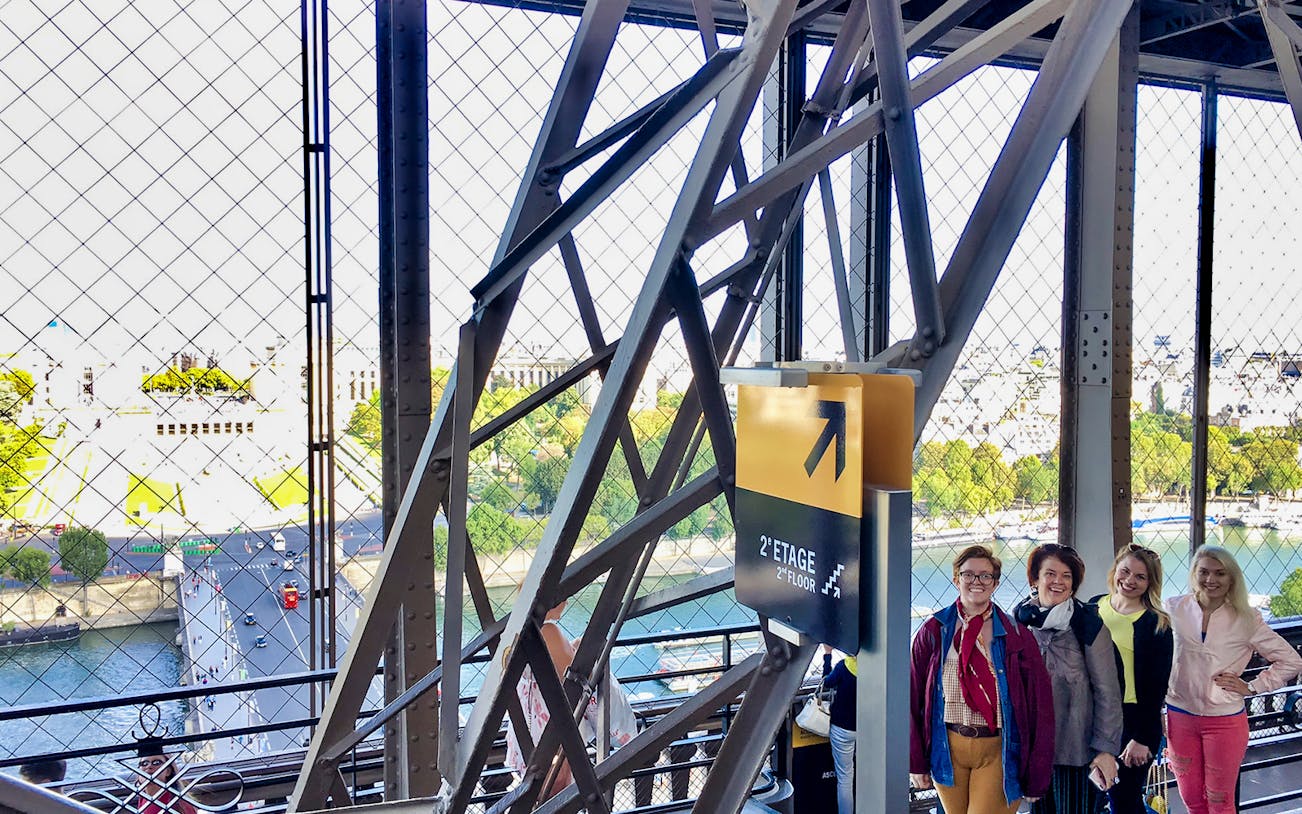
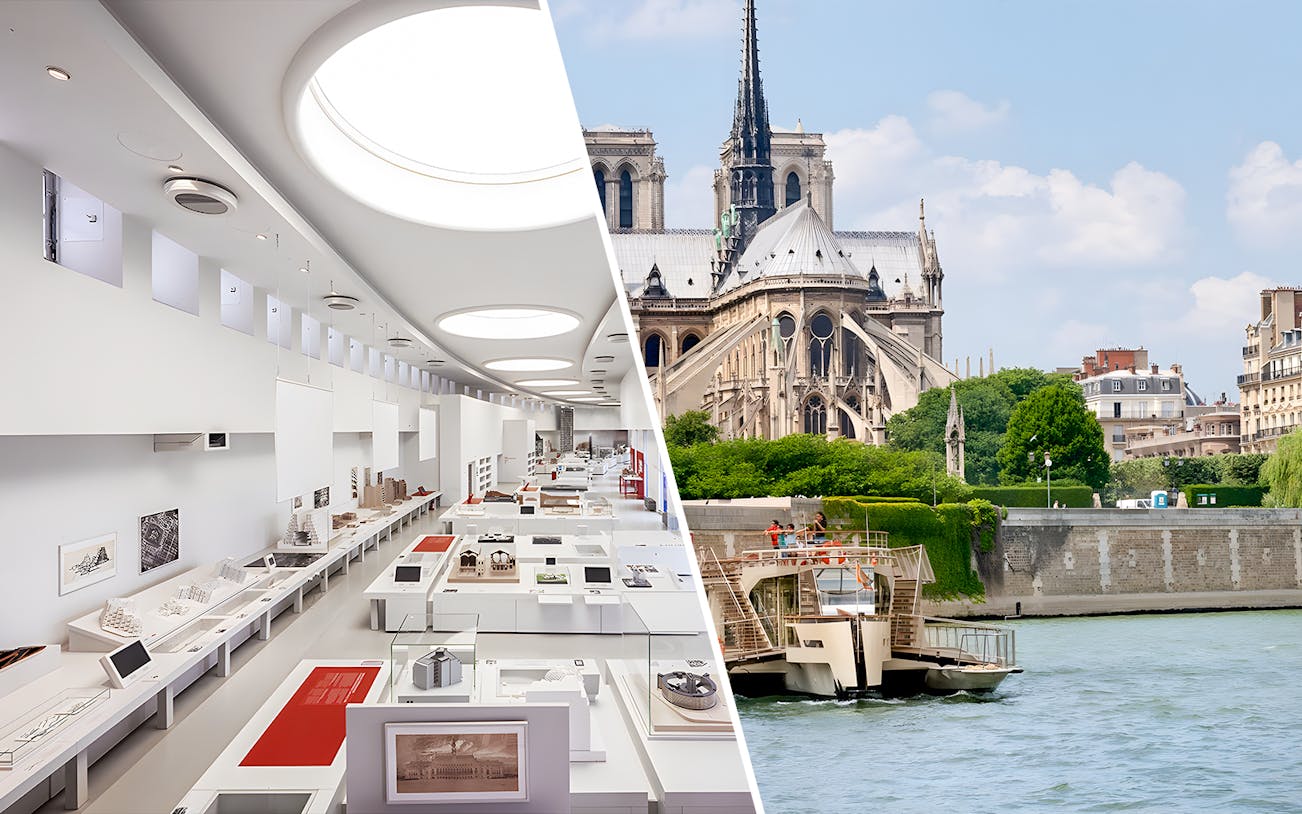
Eiffel Tower: 2nd Floor Access by StairsTickets
 TiqetsFrom€44
 -
Eiffel Tower Elevator Tickets with Host to Summit or Second FloorTickets
 HeadOutSave -30%From€51€73
 -
Eiffel Tower: Guided VR ExperienceToursTiqetsFrom€33
-
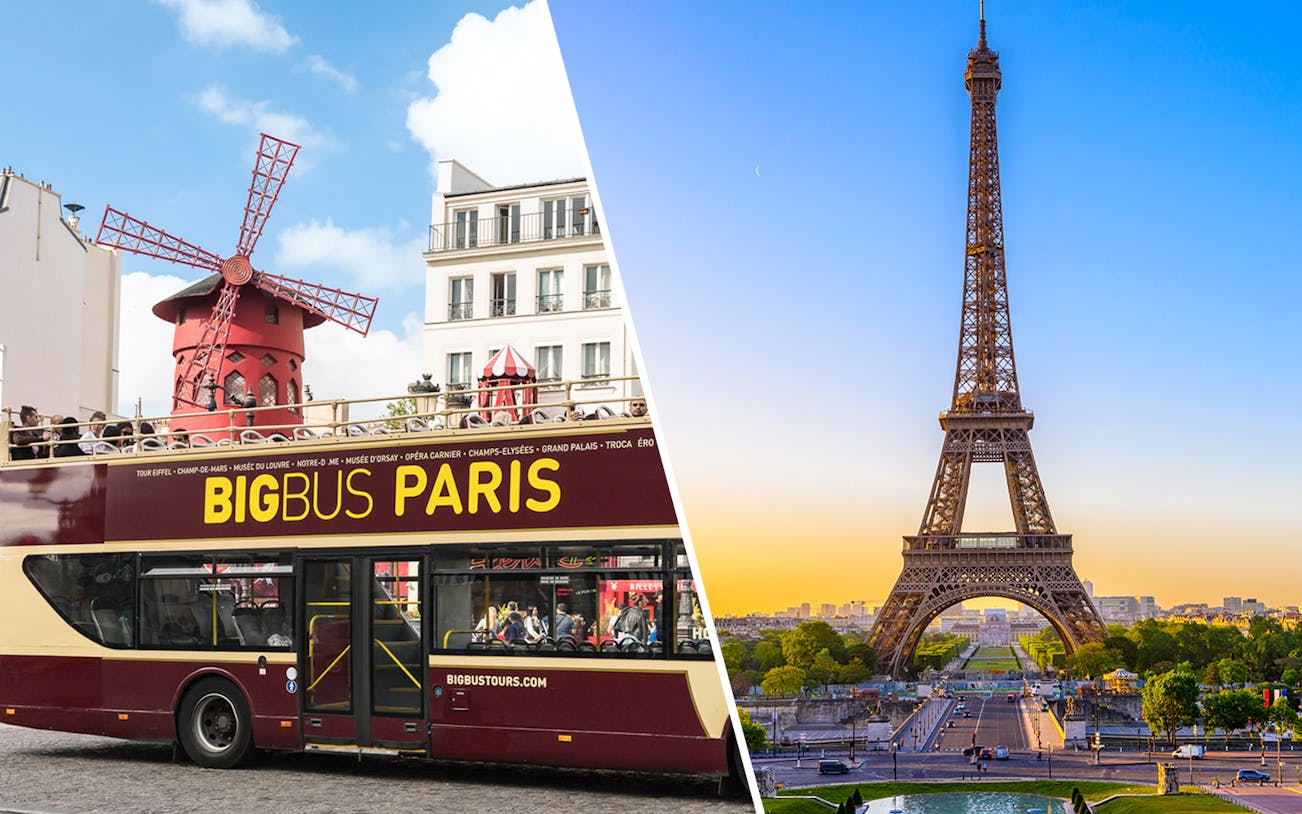
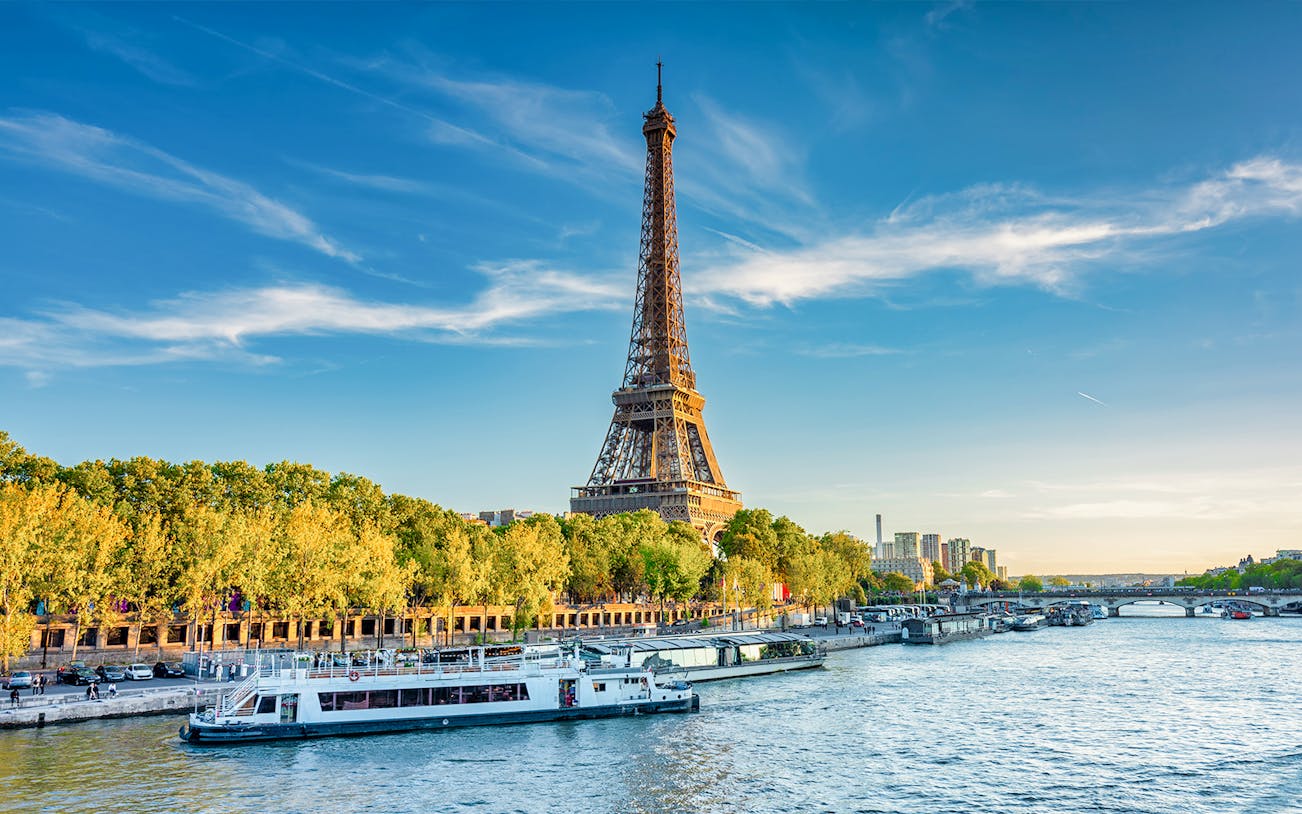
Eiffel Tower At Night with City Tour and Seine River CruiseToursHeadOutFrom€22
-
Eiffel Tower: Entry Ticket + Summit Access by ElevatorTicketsTiqetsFrom€85
Practical Info
About Eiffel Tower
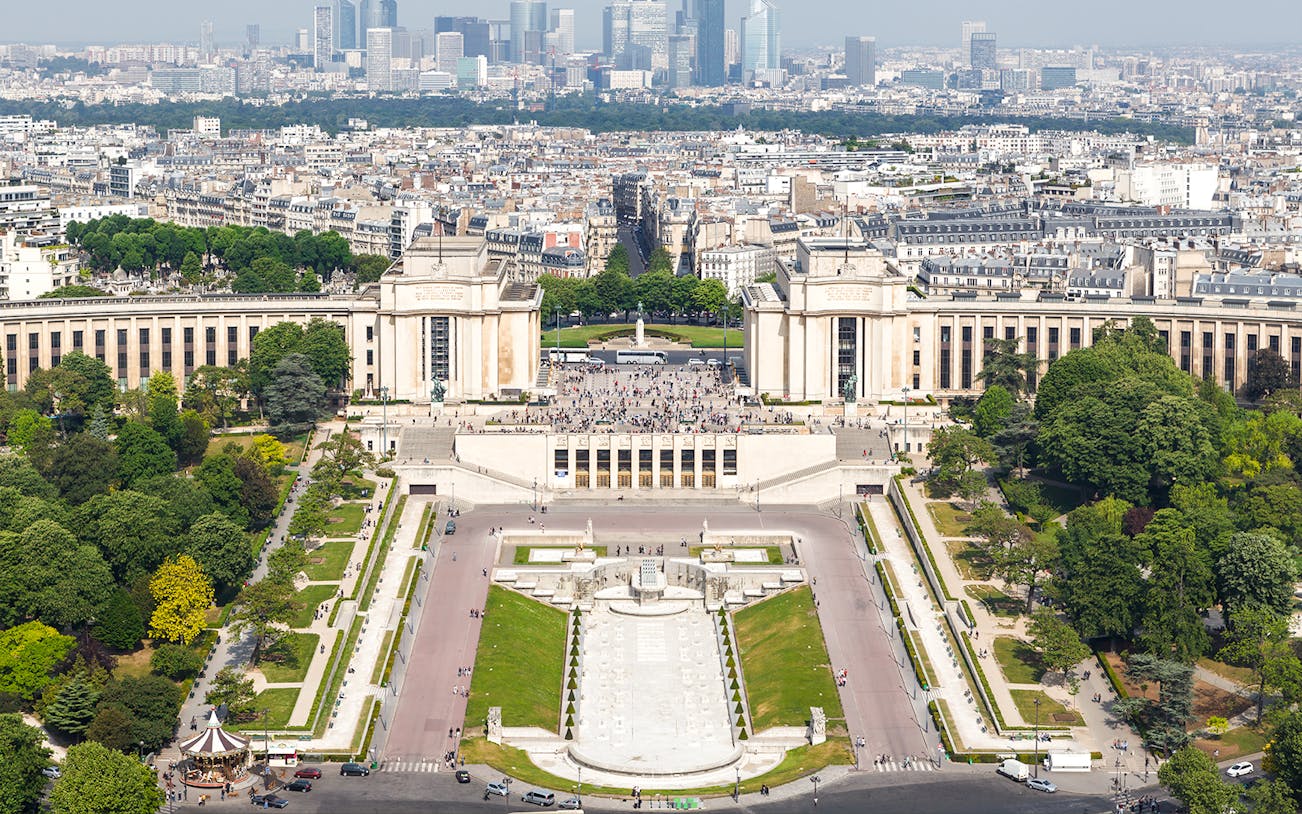
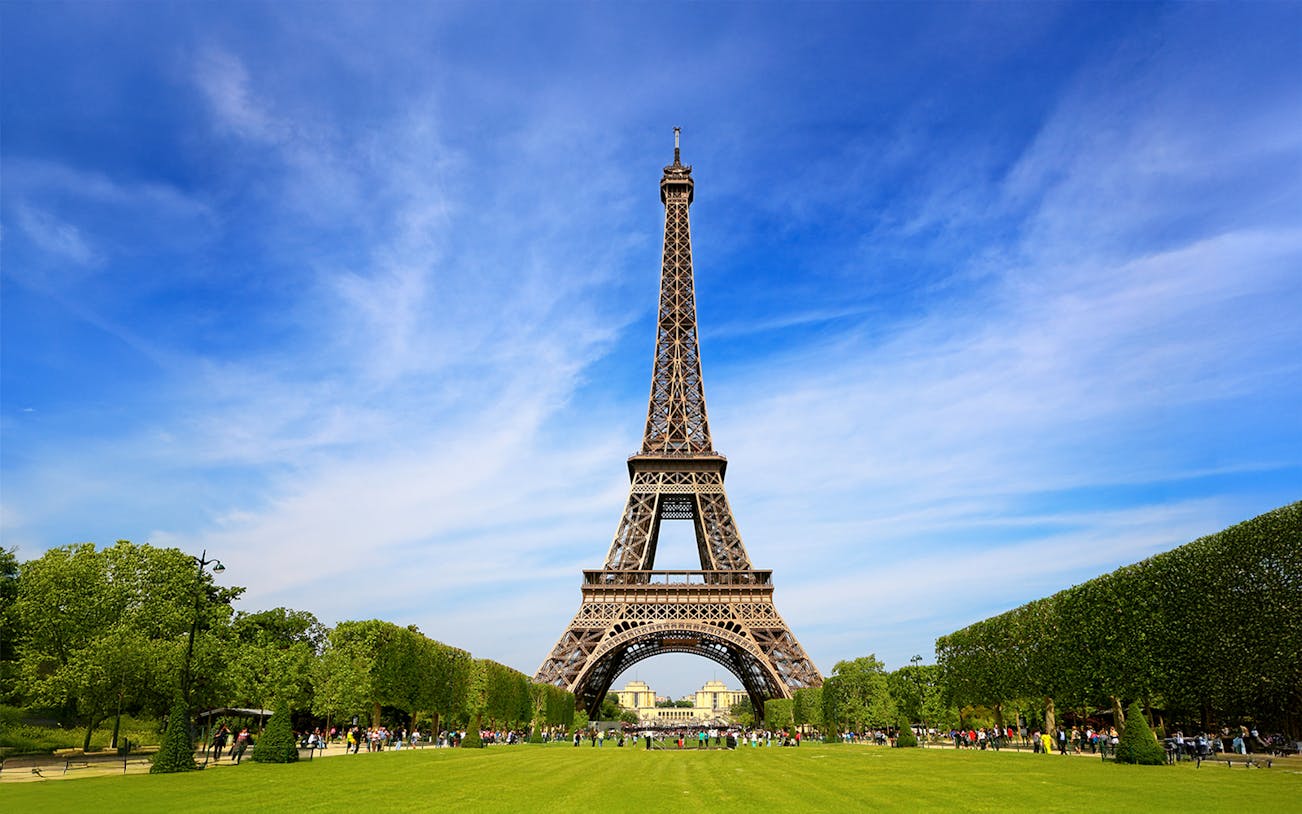
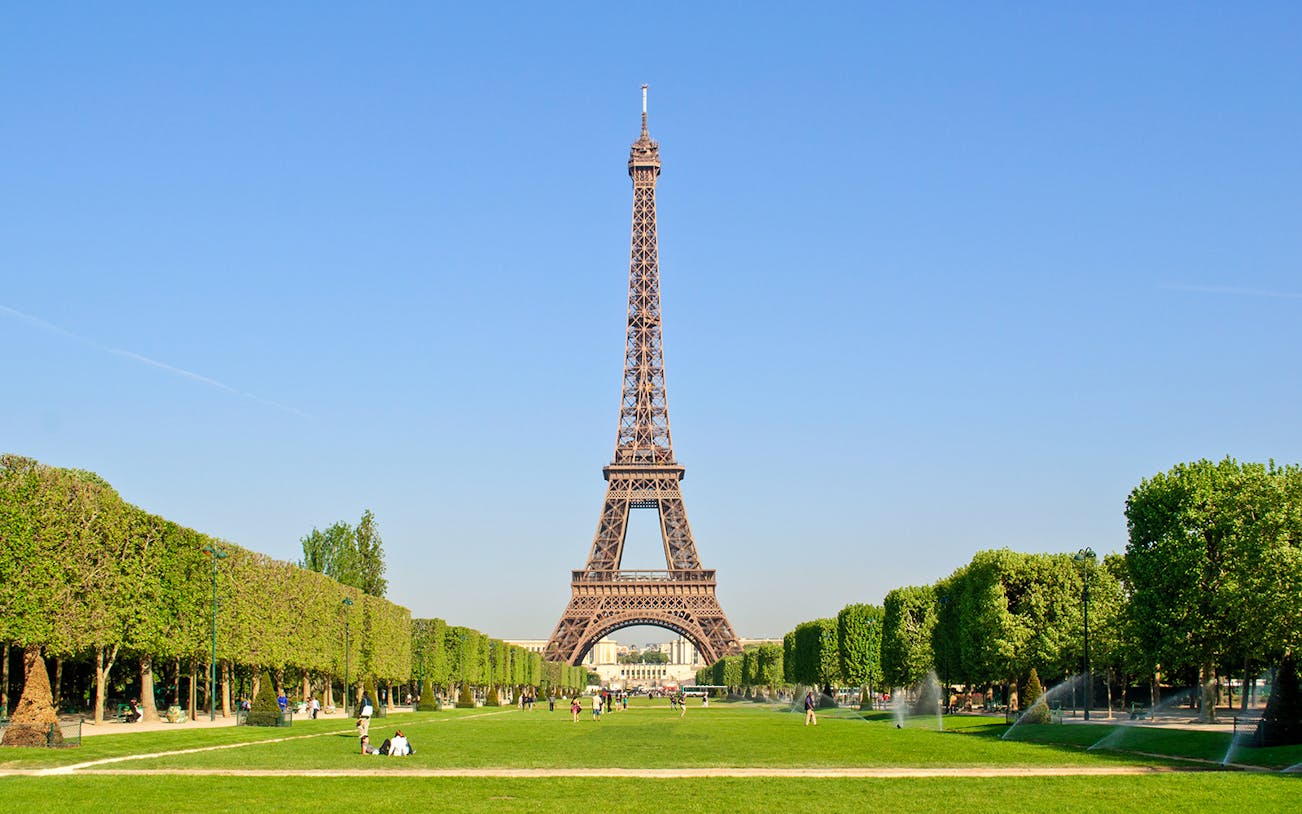
Originally constructed as the temporary centerpiece for the 1889 Exposition Universelle, the Eiffel Tower was meant to be dismantled after 20 years. Its creator, Gustave Eiffel, saved the structure by promoting its utility for scientific experiments and radio transmissions, eventually turning it into a permanent fixture of the French capital. The tower is a masterpiece of 19th-century lattice engineering, composed of 18,038 pieces of wrought iron held together by 2.5 million rivets. Each floor offers a distinct perspective: the first floor features a thrilling glass floor 57 meters above ground, while the second floor is widely considered the best vantage point for photography of monuments like the Arc de Triomphe and Montmartre. The summit is the tower's most exclusive level, reachable only by a secondary set of elevators from the second floor. Here, visitors can see a recreation of Gustave Eiffel’s private office, complete with wax figures of the engineer and his guest, Thomas Edison. The views from this height provide a breathtaking perspective of the city's Haussmannian layout. Culturally, the tower has evolved from a controversial 'eyesore' criticized by the Parisian elite into a global symbol of romance and innovation. Every evening, the tower sparkles for five minutes at the top of every hour, a spectacle powered by 20,000 lightbulbs that has become a must-see event for visitors and locals alike. Today, the Eiffel Tower remains one of the most visited paid monuments in the world. Whether you approach it through the gardens of the Champ de Mars or across the Pont d'Iéna from Trocadéro, it remains the ultimate starting point for any Parisian itinerary.
What to See
Eiffel Tower
The First Floor Glass Floor
The Summit (Top Floor)
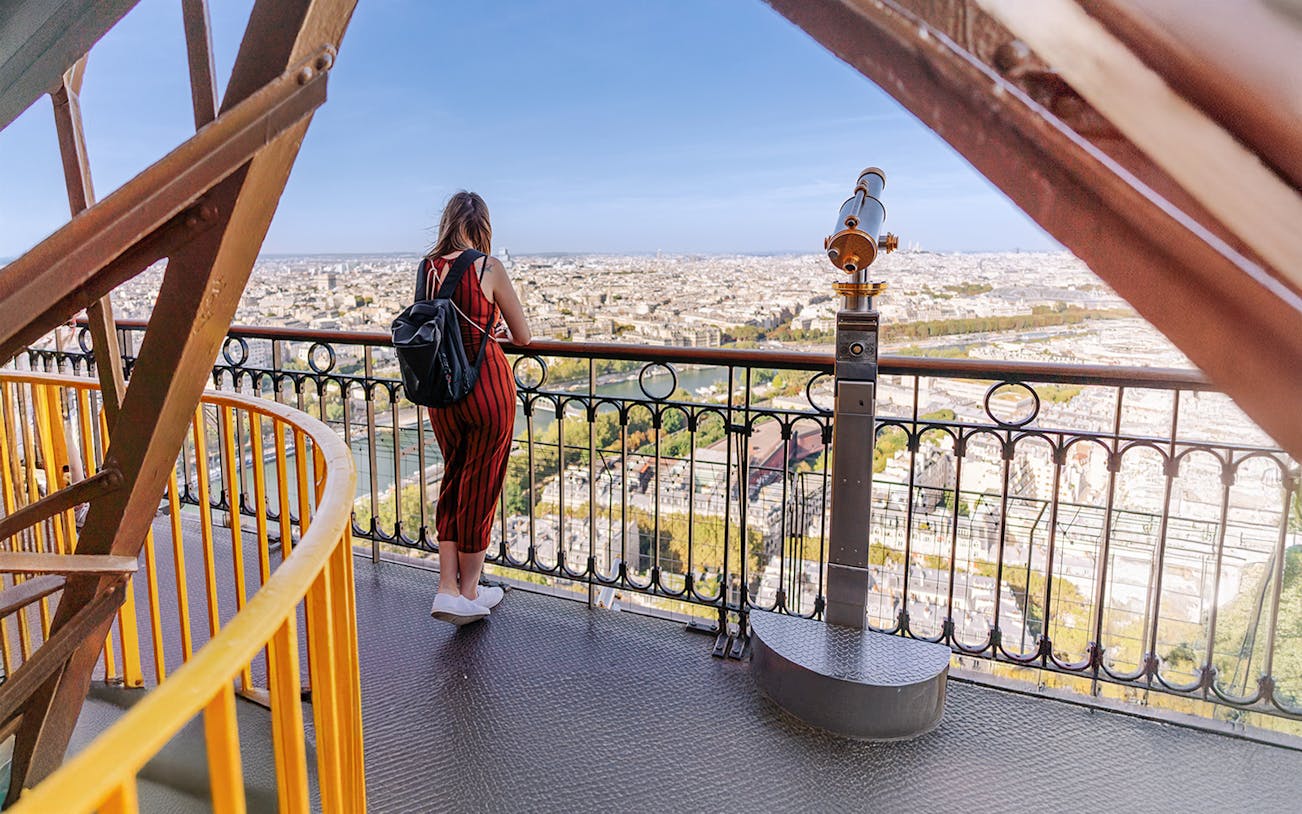
The Second Floor Vistas
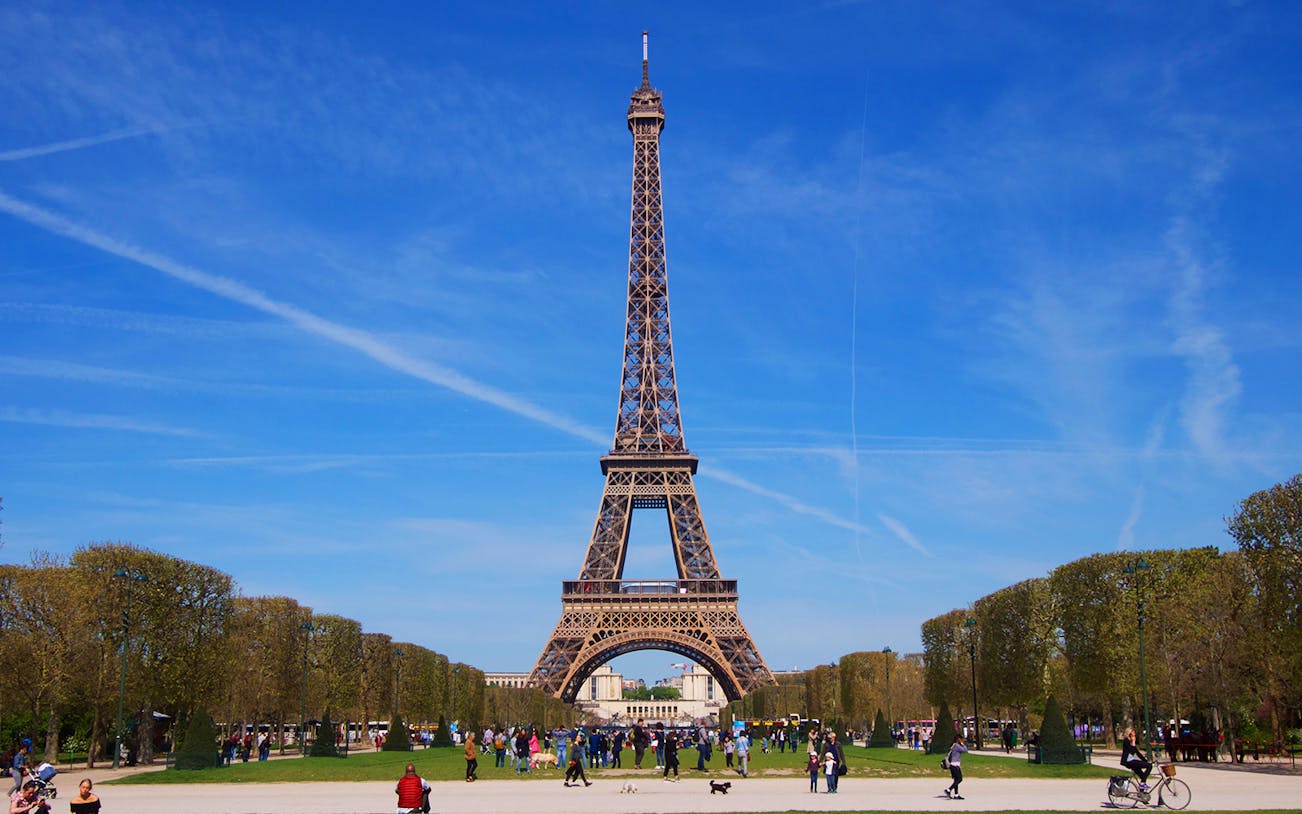
The Gardens of the Champ de Mars
The Nighttime Light Show
FAQ
History
Originally constructed as the temporary focal point for the 1889 Exposition Universelle, the Eiffel Tower was intended to stand for only twenty years. Designed by Gustave Eiffel’s engineering firm, it was met with fierce opposition from the Parisian artistic elite, who famously referred to it as a 'gigantic black factory chimney.' Standing at 330 meters, it held the title of the world's tallest man-made structure until the completion of the Chrysler Building in 1930. The tower's survival was eventually guaranteed by its utility as a giant radiotelegraph antenna, proving indispensable for French military communications during the World Wars. Structurally, the tower consists of puddle iron, a material that requires seven tons of paint every seven years to prevent corrosion. Beyond its engineering prowess, the tower has evolved into a global symbol of romance and French cultural identity. It has hosted scientific laboratories, radio stations, and even a secret apartment for Gustave Eiffel at the summit. Today, it serves as a testament to the Industrial Revolution’s potential, attracting millions who come to see the ironwork that changed the Parisian skyline forever. From the 1,665 steps to the hydraulic elevators that have been modernized yet remain faithful to the original 19th-century spirit, the monument remains a pinnacle of architectural heritage.
Save more with a Paris Pass that includes Eiffel Tower
Bundle multiple top attractions, skip lines and pay less per ticket.
- Multi-attraction access
- Skip-the-line entry
- Better value than single tickets
- Free cancellation on most passes
Prices and inclusions verified with our partners Tiqets and Headout.
You may also like
Other attractions near Eiffel Tower


🎟️ Book tickets for Eiffel Tower
Book now ↗Book now ↗